What Goes Wrong with a Keyed Door Knob Lock — and Why It Matters
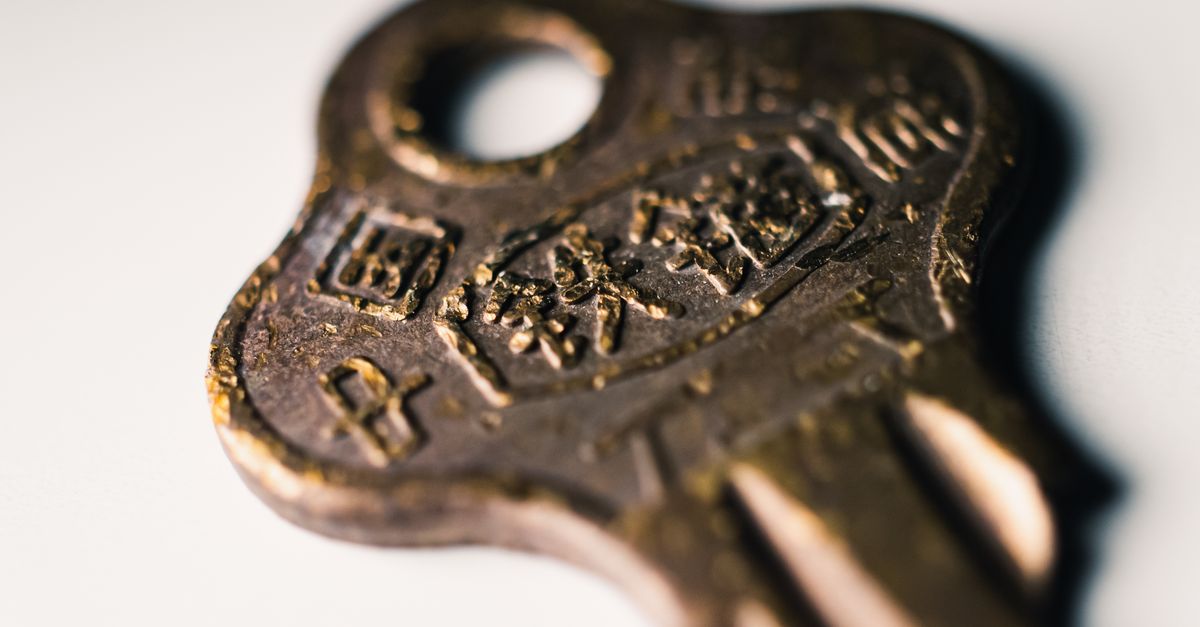
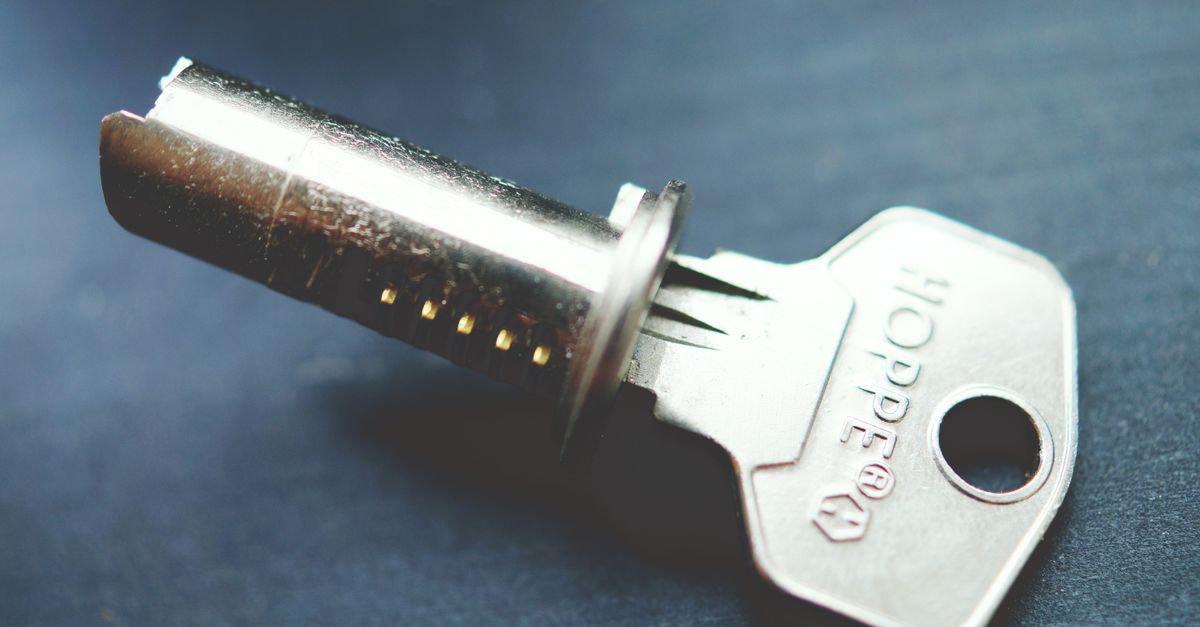
A door knob with lock and key looks deceptively simple from the outside, but inside the knob housing sits a pin-tumbler cylinder, a latch mechanism, a spindle, and a series of springs that all have to cooperate every time you turn the knob. Any one of those components can fail independently. The most frequent problems our technicians see in Converse homes include a cylinder that turns but does not retract the latch (usually a broken cam or tailpiece), a knob that wobbles because the set screws have backed out, a lock that suddenly requires extreme force to operate (worn pins or a bent latch bolt), and keyways that have been damaged by someone attempting to force entry. Left unaddressed, a stiff or intermittently failing knob lock can jam completely, trapping you inside or locking you out at the worst possible moment.
Mortise lock assemblies present their own set of failure points. A mortise lock is set into a deep rectangular pocket cut into the door edge, giving it far more mechanical strength than a surface-mounted knob lock, but the internal case contains levers, a deadbolt, and a latch that are all driven by the same cylinder. When a mortise lock case cracks, a lever spring breaks, or the cylinder cam wears out of alignment, the entire lock can fail simultaneously. Our technicians are equally skilled at mortise lock repair and replacement — a service that is especially relevant on older Converse properties and on commercial doors where mortise hardware is the standard.